Cirrus Clouds:High, Wispy Streaks

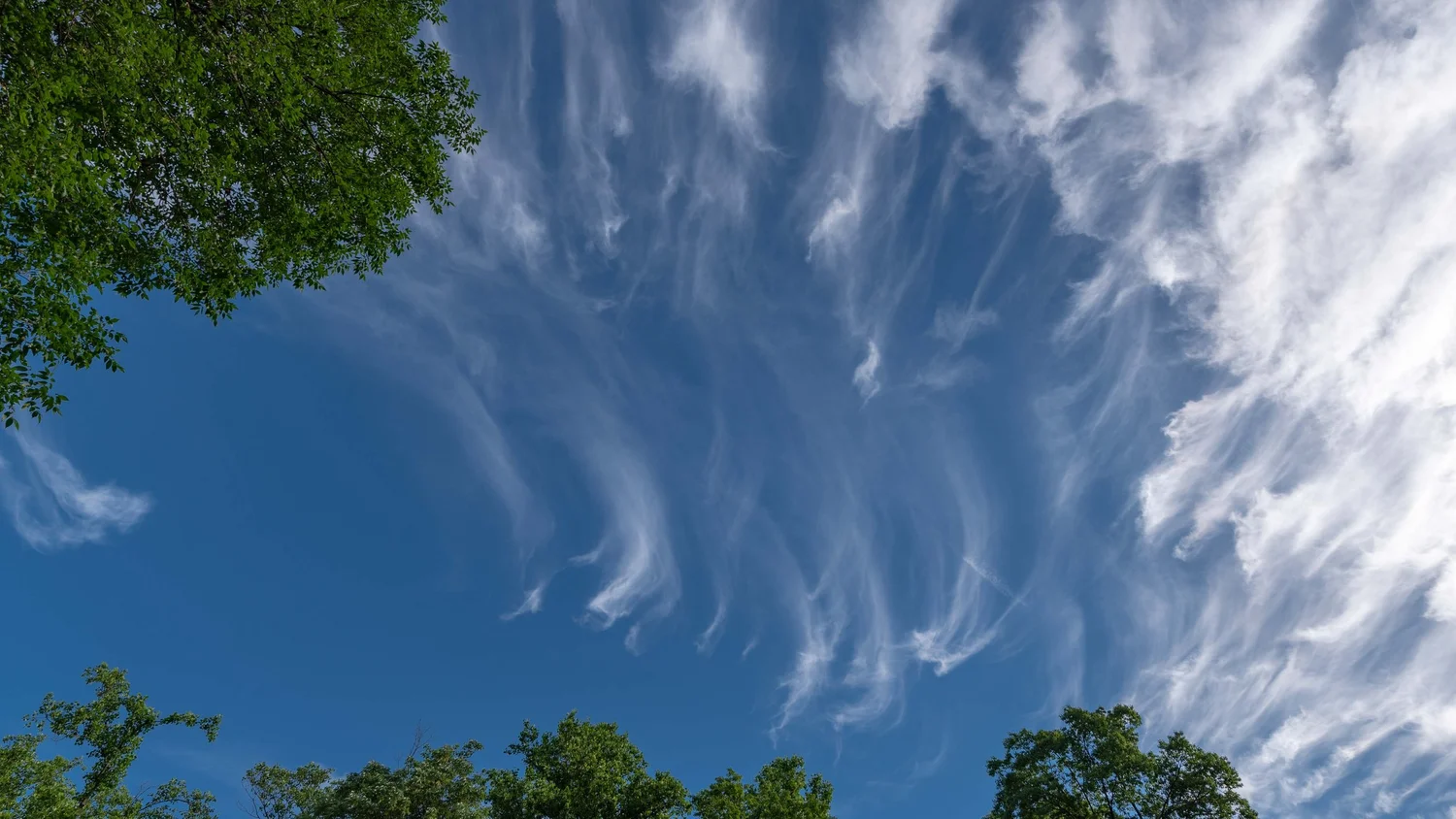
Cirrus clouds are high, thin ice clouds that appear as delicate fibers, streaks, hooks, or wispy tufts. Isolated cirrus often brings no precipitation to the ground, while increasing and spreading cirrus can be an early sign of an approaching weather system.

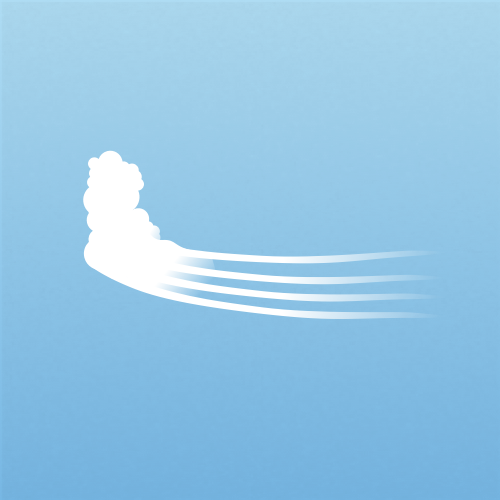
Cirrus uncinus (Ci unc), Cirrus floccus (Ci flo)

How to identify cirrus clouds

High-altitude, thin, and wispy cloud streaks composed of ice crystals

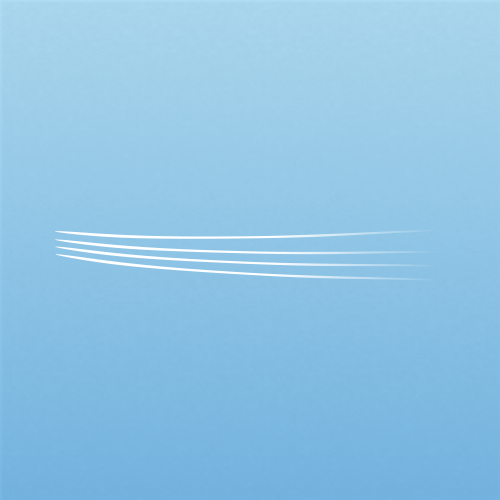
Cirrus clouds have a distinct look relative to the other nine cloud types. Because cirrus clouds are made of ice crystals, they look different than your typical puffy cloud shape, and can take on a number of different forms that resemble spider webs, fish skeletons, mares’ tail, or hair-like commas. If you’re observing a cloud that’s fibrous in nature, there’s a strong chance you’re looking at a cirrus cloud.

But all cirrus clouds don’t have that distinctive, fibrous shape. They can also be found clumped together (cirrus spissatus), be entangled (cirrus intortus), and can look not quite as majestic when you spot them closer to the horizon. Because of their ice crystal composition, cirrus clouds are also capable of various optical phenomena such as sun dogs and cloud iridescence.

Though human-formed, condensation trails from aircraft can become cirrus clouds in the technical sense (cirrus homogenitus), created as a result of jet exhaust in cold temperatures found in the upper parts of the troposphere.
Is it cirrus? Check these four clues

Use texture, height, and the behavior of the strands together. A thin white patch is not automatically cirrus.

  1. Fibrous texture

    Look for hair-like filaments, feathers, hooks, or brushstrokes rather than rounded cloudlets.

  2. High, delicate form

    Cirrus usually looks thin and distant, with plenty of blue sky visible around or through it.

  3. Ice-crystal fall streaks

    Strands may trail, curve, or spread downwind as ice crystals fall through different winds aloft.

  4. No broad veil

    The cloud is organized into individual filaments or patches instead of one smooth sheet across the sky.

Read the cirrus pattern, not just the wisps

Cirrus can remain scattered or spread and thicken ahead of a larger cloud shield. The pattern and trend are more useful than any single strand.

  1. 1Fine parallel fibersFibratusOften little immediate changeLong, delicate filaments have no obvious hooks or dense clumps.Open the field note →
  2. 2Hooked mare's tailsUncinusStrong winds aloftCurved hooks with trailing streaks reveal ice crystals falling through wind shear.Open the field note →
  3. 3Dense cirrus patchesSpissatusMay mark storm outflowThicker white or gray patches can form from a spreading thunderstorm anvil.Open the field note →
  4. 4Coverage increasesSpreading veilA front may be approachingWhen fibers merge into a widespread veil, the sky may be transitioning toward cirrostratus.Open the field note →

Classifying cirrus clouds beyond the cloud type

Begin with cirrus as the cloud type, then add species, varieties, supplementary features, accessory clouds, or origin terms only when each detail is visible. Every illustration below links to its complete field note.

Cirrus cloud species

5 cloud species are associated with cirrus clouds. Open any field note to compare the illustration with photographs and identification guidance.

Cirrus cloud varieties

4 cloud varieties are associated with cirrus clouds. Open any field note to compare the illustration with photographs and identification guidance.

Cirrus supplementary features

2 supplementary features are associated with cirrus clouds. Open any field note to compare the illustration with photographs and identification guidance.

Cirrus other clouds

2 other clouds are associated with cirrus clouds. Open any field note to compare the illustration with photographs and identification guidance.

Compare cirrus with similar cloud types

Use cloud-base level, texture, structure, and sky coverage together before choosing the closest match.

Cirrus vs. cirrostratus

Cirrus appears as separate fibers, hooks, or tufts. Cirrostratus spreads into a thin, more continuous veil that can cover much of the sky.

Best clueA widespread veil or a halo favors cirrostratus; distinct fibrous strands favor cirrus.

Illustration of cirrus clouds
Cirrus
Illustration of cirrostratus clouds
Cirrostratus

Cirrus vs. cirrocumulus

Cirrus is streaky and filament-like. Cirrocumulus is organized into many tiny grains, ripples, or rows with little or no gray shading.

Best clueLook for repeated cloudlets: a fine grain field is cirrocumulus, while flowing fibers are cirrus.

Illustration of cirrus clouds
Cirrus
Illustration of cirrocumulus clouds
Cirrocumulus
Cover of the free cloud types ebook

Learn cloud identification with a free 80+ page ebook

Take the visual guide with you. The ebook explains the ten types of clouds with original photographs, illustrations, identification tips, and comparisons between similar clouds.

Download Here