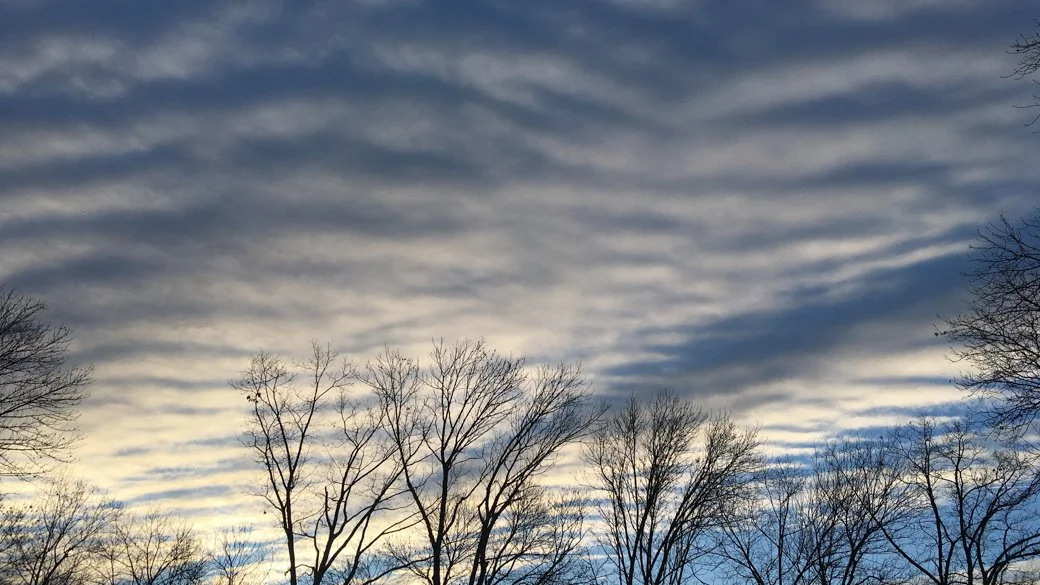
Identifying the undulatuscloud variety
A popular variety of clouds known for their undulated and rolling appearance
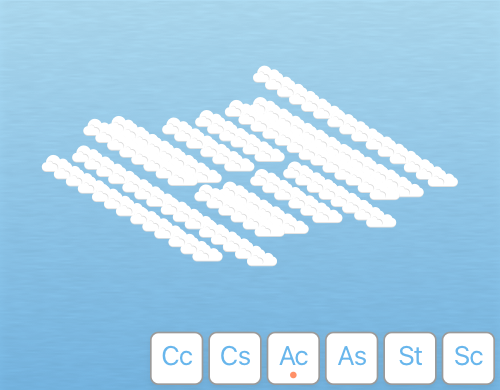
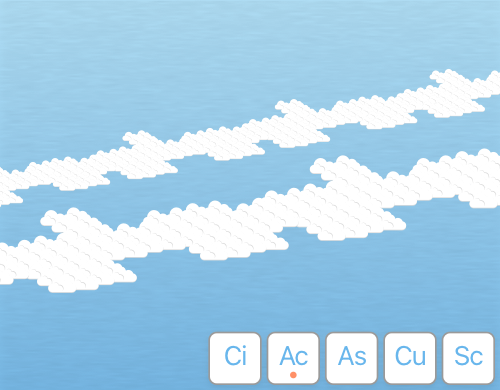
The ‘undulatus’ cloud variety can be found amongst six cloud types: cirrocumulus, cirrostratus, altocumulus, altostratus, stratus, and stratocumulus. Translated from latin, meaning undulated, the six types of undulatus clouds are respectively abbreviated as ‘Cc un’, ‘Cs un’, ‘Ac un’, ‘As un’, ‘St un’, and ‘Sc un’. Undulatus cloud formations are best identified in two variations.
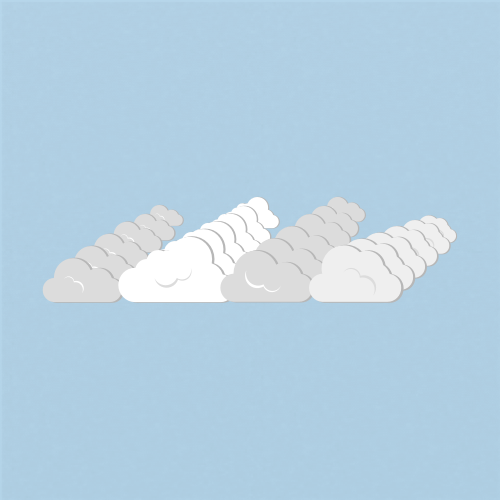
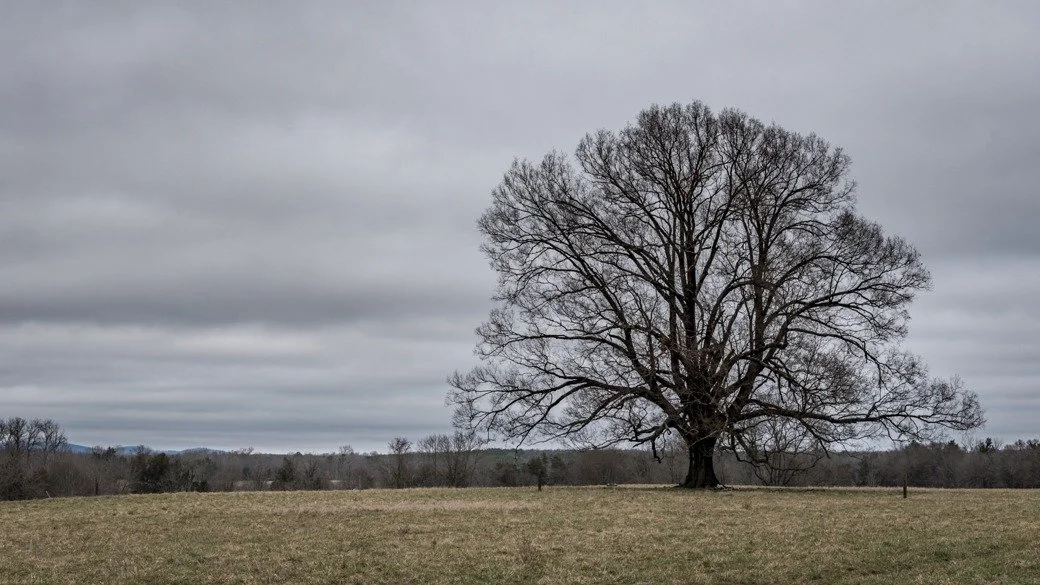
In cumuliform clouds (cirrocumulus, altocumulus, and stratocumulus), they appear as cloud heaps arranged in parallel rows. In stratiform clouds (cirrostratus, altostratus, and stratus), they appear as wavy undulations in the underside of the cloud. Arguably the most popular cloud variety, undulatus clouds are super recognizable by their cloud rolls.
They’re a commonly seen cloud variety, especially in altocumulus clouds. They’re relatively easy to identify in cumuliform clouds. Cirrocumulus undulatus clouds appear as arranged rows of grains of rice.
Altocumulus undulatus clouds appear as mid-altitude cloud heaps arranged in parallel rows. Stratocumulus undulatus clouds are puffy, undulating clouds low in altitude. Undulatus clouds are a bit more difficult to pick out in stratiform clouds.
Cirrostratus undulatus clouds can be described as thin, high-altitude sheets with subtle wave patterns. Identifying altostratus undulatus clouds take a keen eye and appear more as a wave pattern in an otherwise relatively featureless layer. Stratus undulatus clouds are low in altitude, wavy, and featureless.
Don’t confuse the undulatus and radiatus cloud varieties. While both varieties are found arranged in rows, note that undulatus clouds are perpendicular (transverse) to the direction of the wind while radiatus clouds are parallel to the wind direction. This explains why radiatus clouds will appear to radiate out from the horizon.